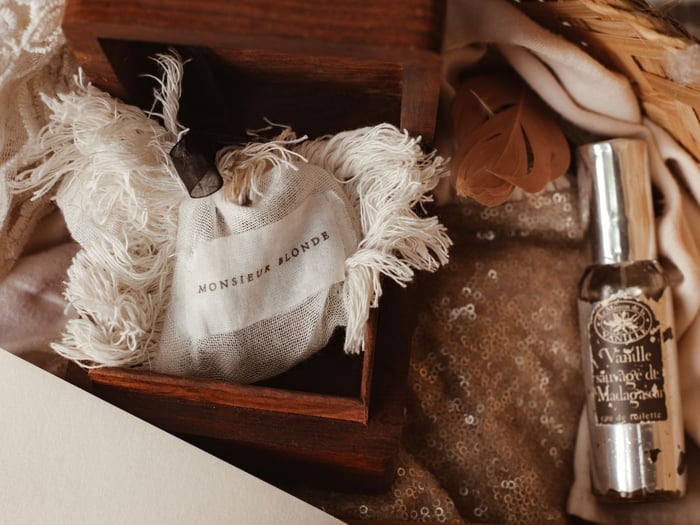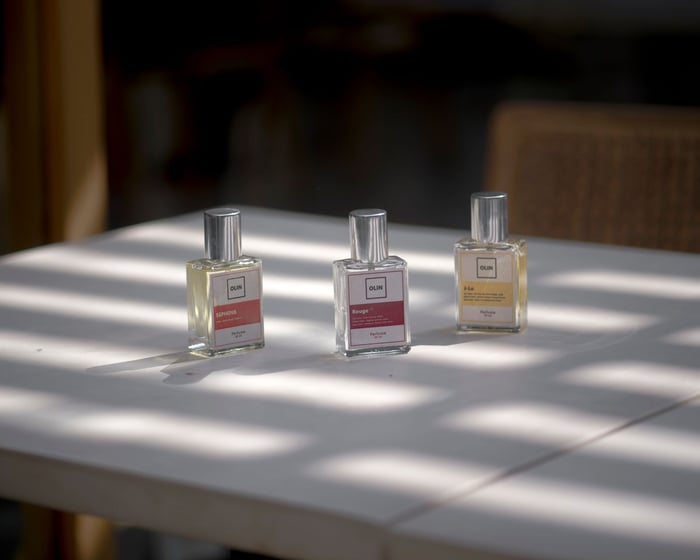

Perfume names and bottles may look similar, yet a scent can feel different on different people. In Saudi Arabia and the Gulf, your routine can take you between outdoor heat, air-conditioned offices, long workdays and evening gatherings where oud and incense are part of familiar fragrance traditions. Here is a practical way to choose a scent that works for your preferences rather than following a one-size-fits-all ranking.
Start with your fragrance personality
Do you love clean, discreet scents or rich, enveloping fragrances? Are you looking for something close to the skin at work or a more noticeable scent for an event? Explore these families before focusing on labels:
- Citrus and fresh: bergamot, mandarin and lemon provide a bright opening.
- Floral: rose, jasmine and white florals can be airy or dense.
- Woody: cedar, sandalwood and vetiver offer profiles from crisp to warm.
- Ambery and spicy: vanilla, resins and spices often create depth.
- Oud styles: natural oud and oud-inspired accords can lean smoky, leathery or softly woody.
Understand top, heart and base notes
Top notes shape the first impression, heart notes emerge as a perfume develops, and base notes contribute to its later character. These labels are useful descriptions, not a universal timetable. Some scents are relatively linear; others change significantly. If you love the opening but dislike the dry-down, the first spray alone won't tell you enough.
Choose for life in the Gulf
Office and daily wear
In shared indoor spaces, consider moderate application. Gentle musk, fresh notes and balanced woods can be useful starting points. Comfort for people nearby matters as much as your own preferences.
Evening occasions and gatherings
Oud, amber and spices appeal to many fans of warm fragrances for evening events. However, a higher price or concentration does not automatically mean greater projection.
Heat, humidity and air-conditioning
Temperature can affect evaporation and fragrance perception. Test a scent across the conditions in which you will wear it, and avoid automatically applying more just because you have become used to its smell.
A four-step testing routine
- Read the notes and identify ingredients you enjoy or avoid.
- Start on a blotter, then test a small amount on skin when appropriate.
- Give the dry-down time to unfold instead of judging within minutes.
- Limit comparisons per session and record your impressions.
Do you need a men's or women's fragrance?
Store categories help navigation but do not limit personal taste. Explore men's, women's and unisex fragrances according to the scent itself, not only the label.
Examples from Bana Shopping
For a softer musky direction, read about Jovan White Musk. For a warmer profile with sweet and fruity elements, explore Hugo Boss Deep Red. These are examples based on product descriptions, not claims about firsthand wear tests.
Frequently asked questions
How can I choose perfume without committing to a full bottle?
Start with the listed fragrance profile and try an authentic sample or smaller size of that same scent where available. Test it on more than one occasion.
Is expensive perfume always longer lasting?
No. Price is influenced by many factors and does not guarantee performance on your skin.
Can I wear the same perfume year-round?
Many fragrances can work across seasons. The number of sprays, occasion and environment matter; your experience should guide you.
Browse perfumes at Bana or explore available fragrance samples before choosing a full-size bottle.
Editorial shopping guide by Bana Shopping. Fragrance performance is personal and not guaranteed across all skin types.
Continue your fragrance journey
Next, understand EDT, EDP and parfum concentrations, learn how to test perfume samples and protect your bottles with fragrance storage advice for Gulf weather. For traditional scent styles, explore oud, oud oil and bakhoor.
Explore fragrance types and gifting
Read about niche and designer fragrances or discover how to choose perfume as a gift in Saudi Arabia.